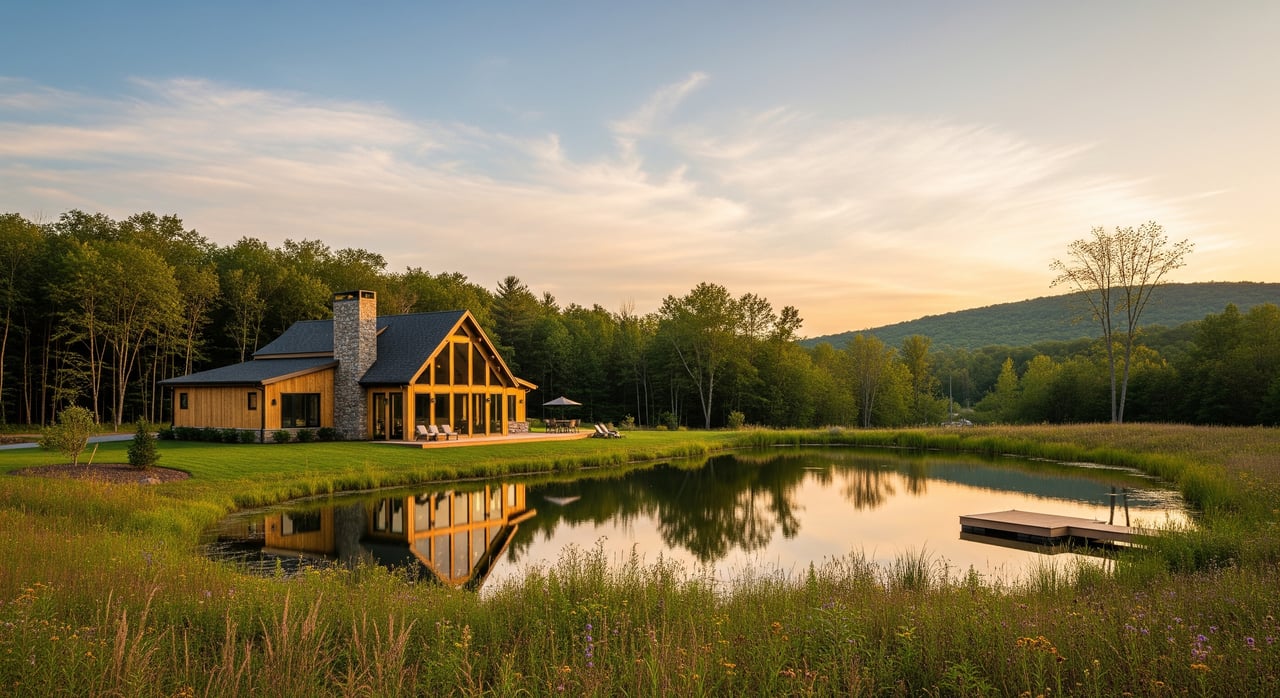
Shopping for recreational land around Ulysses and ZIP 16948 can feel exciting and a little overwhelming. You might picture quiet weekends, a small cabin, or a base for hunting and trail riding. At the same time, questions about access, utilities, and financing can slow you down. This guide gives you clear basics tailored to Potter County so you can move forward with confidence. Let’s dive in.
What counts as recreational land
Recreational land is property you buy primarily for outdoor enjoyment, not as your full-time home or a commercial farm. In Potter County, that can mean anything from raw, off-grid acreage to a small cabin with utilities. Local rules and feasibility matter more than a single label. Municipal ordinances set what you can build and how you can use a parcel.
Common parcel types
- Raw land: Undeveloped acreage with no utilities or structures. It may or may not have road frontage.
- Cabin-ready or improved lots: Basic access, a cleared site, and sometimes a driveway or electric at the road.
- Improved property with a dwelling: A permitted cabin, cottage, or single-family home used seasonally or year-round.
- Timberland or managed forest: Forested land with potential timber value and recreational use.
- Hunting camps or leased parcels: Simple structures and land improvements like trails, stands, or food plots.
- Parcels with conservation easements: Private ownership with recorded restrictions that limit development and subdivision.
Popular uses near Ulysses
Buyers choose Potter County for its outdoor lifestyle and wide-open spaces. Around Ulysses, you are within reach of well-known public lands and scenic byways. Proximity to these amenities can boost a parcel’s appeal and long-term enjoyment.
- Hunting for white-tailed deer, turkey, and small game under Pennsylvania Game Commission regulations
- Seasonal cabins and camping, including off-grid stays and simple service cabins
- Trails for hiking, snowmobile, and ATV or UTV where permitted
- Timber management and selective harvests on suitable forested tracts
- Wildlife viewing, stargazing, and nature photography, with Cherry Springs State Park known for dark skies
- Small-scale agritourism or hobby farming where soils and slopes allow
Local landmarks and corridors to keep in mind:
- Cherry Springs State Park for stargazing and sky tours
- Susquehannock State Forest for large-area trailheads and recreation access
- Lyman Run State Park for lake, hiking, and day-use facilities
- U.S. Route 6 through Ulysses for convenient regional access and higher-visibility frontage
The due diligence checklist
Before you make an offer, verify the basics. These steps protect you during escrow and help with financing and future resale.
- Confirm legal access and the type of road that serves the parcel
- Review surveys, boundaries, and any recorded easements or deed restrictions
- Check septic feasibility, well options, and proximity to electric
- Assess environmental factors like wetlands, flood zones, and slope
- Understand hunting rules, neighboring public lands, and liability considerations
- Review taxes and any special assessments or programs
- Confirm whether timber, mineral, and water rights transfer
- Confirm municipal permits you will need for building, driveways, and septic
- Plan for a clean closing with title insurance and, if required, a recent survey
Access and road basics
Legal, year-round access is the number one issue in rural land deals. Verify access in writing and understand who maintains the road.
- Road type: State, township, or private. Ask about winter maintenance and seasonal closures.
- Deeded access: If the parcel depends on a right-of-way, make sure it is recorded and describes ingress and egress clearly.
- Shared maintenance: If a private road serves multiple owners, request any written road agreements or association documents.
- Frontage vs. easement: Frontage on a public road is ideal. If access is by easement, a title review is essential.
Buildability and utilities
If you plan to build a cabin or home, evaluate service feasibility early. In rural Potter County, on-site systems are the norm.
- Septic: Ask about a perc test or soil evaluation and local setbacks. A passed perc test makes future permitting smoother.
- Well: Private wells are standard. Ask about typical yields in the area and testing for water quality.
- Electric: Confirm the distance to existing lines and any extension costs. Some buyers choose generators or solar for remote sites.
- Phone and internet: Coverage varies by terrain and tower location. Check cellular signal and any available broadband providers.
Environmental and rights considerations
Environmental features influence where you can build, how you access the site, and long-term maintenance.
- Wetlands and flood zones: Review FEMA flood maps and consult wetland resources before siting structures or roads.
- Slope and soils: Steep terrain affects driveway cost, erosion control, and septic placement. Use soil mapping as a pre-check.
- Protected habitat or conservation easements: Recorded easements limit development and can affect financing and resale.
- Timber health: Mature timber may add value, but confirm any prior harvests, restrictions, or disease concerns.
Rights that commonly require an attorney or title professional to verify:
- Mineral rights: In Pennsylvania, mineral rights can be severed from surface rights. Know what conveys with your purchase.
- Timber rights: Confirm whether past or future harvest rights were sold or reserved.
- Riparian rights: Parcels along streams carry additional rules for in-stream work and setbacks.
How public lands affect value
Parcels that border state forest or sit near state parks often attract out-of-area buyers. You enjoy immediate access to large recreation areas without owning thousands of acres. Keep in mind that being near public land is not the same as having a legal path across private property. Always confirm boundaries and recorded easements.
Road class matters too. A property on Route 6 will have easier four-season access and visibility than a landlocked interior tract. If you plan frequent weekend use, ask about winter plowing and maintenance responsibilities.
Financing options that work here
Financing recreational land is different from getting a typical 30-year mortgage. Lenders often require more money down and shorter terms. Plan ahead and talk with local banks or credit unions early in your search.
Common paths:
- Local banks and credit unions: Often the best fit for rural land loans, with local knowledge and portfolio flexibility.
- Specialized land lenders: Available for raw or lot loans, usually with higher rates and stricter terms.
- Portfolio loans: Held by the lender, sometimes with flexible underwriting but higher down payment.
- Seller financing: Common in rural deals, with varied terms that can bridge a gap for qualified buyers.
- Home equity or cash-out refinance: If you own another property, you may use equity to purchase land.
What to expect:
- Down payment: Often 20 to 50 percent. Raw land typically sits at the higher end, such as 30 to 50 percent.
- Rates and terms: Rates are generally higher than standard mortgages, with terms ranging from 5 to 20 years. Some loans have balloons or prepayment rules.
- Appraisal: Rural comps can be sparse in Potter County. Lenders may rely on comparable land sales and the cost to extend utilities when valuing the parcel.
- Requirements: Lenders commonly ask for proof of legal access, a recent survey, title insurance, and sometimes a plan or timeline if you intend to build.
Local nuances that affect financing:
- Limited recent sales in some areas can slow appraisals or push conservative valuations.
- Seasonal or private road access may concern lenders if winter maintenance is unclear.
- Recorded conservation easements or severed mineral rights can limit financing options.
- A passed perc test can improve your case if your long-term plan includes a cabin or home.
How to budget beyond the price
Plan for upfront and near-term costs so your project stays on track.
- Boundary survey or ALTA survey if required by your lender
- Title insurance and a title search focused on access, easements, and mineral reservations
- Soil and perc testing, well testing, and septic design
- Driveway cuts and permits, driveway grading, and culverts
- Power extension, solar or generator systems, and propane setup
- Trail work, pond maintenance, or erosion control
- Insurance for structures and liability coverage for visitors or hunting guests
- Potential rollback taxes if you change land use under programs like Clean and Green
Field tips for Ulysses and 16948
- Walk the property in more than one season to compare summer access with winter conditions.
- Confirm distances to Cherry Springs, Susquehannock trailheads, and Ulysses services if frequent weekend use is your goal.
- Check whether a parcel borders public land or only sits nearby, and ask for recorded documentation of any access.
- For trail use, confirm what is permitted locally and whether there is a club or association that maintains routes.
Next steps
A little homework goes a long way with recreational land. Start with access and survey records, then evaluate septic and well feasibility, and finally layer in financing. As you narrow choices, schedule site walks and line up local contractors who can quote realistic costs for driveways, utilities, and cabin work. If you prefer a simple plan, focus on parcels with proven access, a recent survey, and a completed perc test.
If you’re considering recreational parcels near Ulysses and ZIP 16948, our team can help you coordinate due diligence and site visits. We connect buyers with local surveyors, septic and well pros, township contacts, and lenders who understand rural properties. For a straightforward, no-pressure conversation about access, permitting, and local comparables, reach out to Cowanesque Lake Realty, LLC.
FAQs
What counts as legal access for land purchases in Potter County?
- Ask for recorded road frontage or a deeded ingress and egress easement, verify maintenance responsibilities, and have a title professional confirm it in writing.
Can I build a cabin on a Ulysses area parcel?
- You will need a passed perc test or soil evaluation, local septic and building permits, and compliance with township setbacks before construction.
How much down payment is typical for raw recreational land?
- Expect 30 to 50 percent down for raw land, with improved or cabin-ready parcels sometimes qualifying for lower down payments.
Are hunting rights included when I buy a property?
- Ownership typically gives you control over hunting access, but you must follow state seasons and rules and confirm there are no existing leases or deed restrictions.
Does being near state forest mean I can use those trails from my land?
- Not automatically; you need a legal path or public trailhead access, and you must follow all posted use rules for the state forest or park.
What extra costs should I plan for after closing on land?
- Budget for surveys, title insurance, perc or well testing, driveway permits and grading, utility work, and ongoing insurance and property taxes.