Thinking about the charm of original woodwork, deep porches, and tall windows you see around Painted Post, but unsure what you’re signing up for? You’re not alone. Buying a historic home can be deeply rewarding, yet it comes with unique inspections, financing choices, and maintenance tasks you’ll want to understand before you write an offer. This guide walks you through how “historic” works locally, common construction and condition issues, which specialists to hire, and how to budget smart. Let’s dive in.
What “historic” means in Painted Post
Painted Post sits in the Town of Erwin in Steuben County, right next to Corning. Many village homes date to the late 1800s and early 1900s, built during regional railroad and industrial growth. In practice, “historic” may mean an older home by age alone, a house that contributes to a local historic district, or a property listed on the National Register of Historic Places.
A National Register listing is honorary at the federal level and does not automatically restrict what you can change as a private owner. Local ordinances are what may trigger design review. Exterior work like siding, windows, porches, rooflines, or additions could require approval if your property sits in a protected district or is subject to a preservation easement.
How to confirm status
Before you fall in love, verify the property’s designation and any review rules. Start with the Village of Painted Post or Town of Erwin clerk or planning department. You can also check with the Steuben County planning or historian’s office, the New York State Office of Parks, Recreation and Historic Preservation, and the National Register database.
What design review may mean for you
If your home is in a local historic district, you might need approval for visible exterior changes. That can guide your material choices and timelines, and it can protect neighborhood character, which many buyers value. Knowing the rules upfront helps you plan projects and avoid surprises later.
Styles and materials you will see
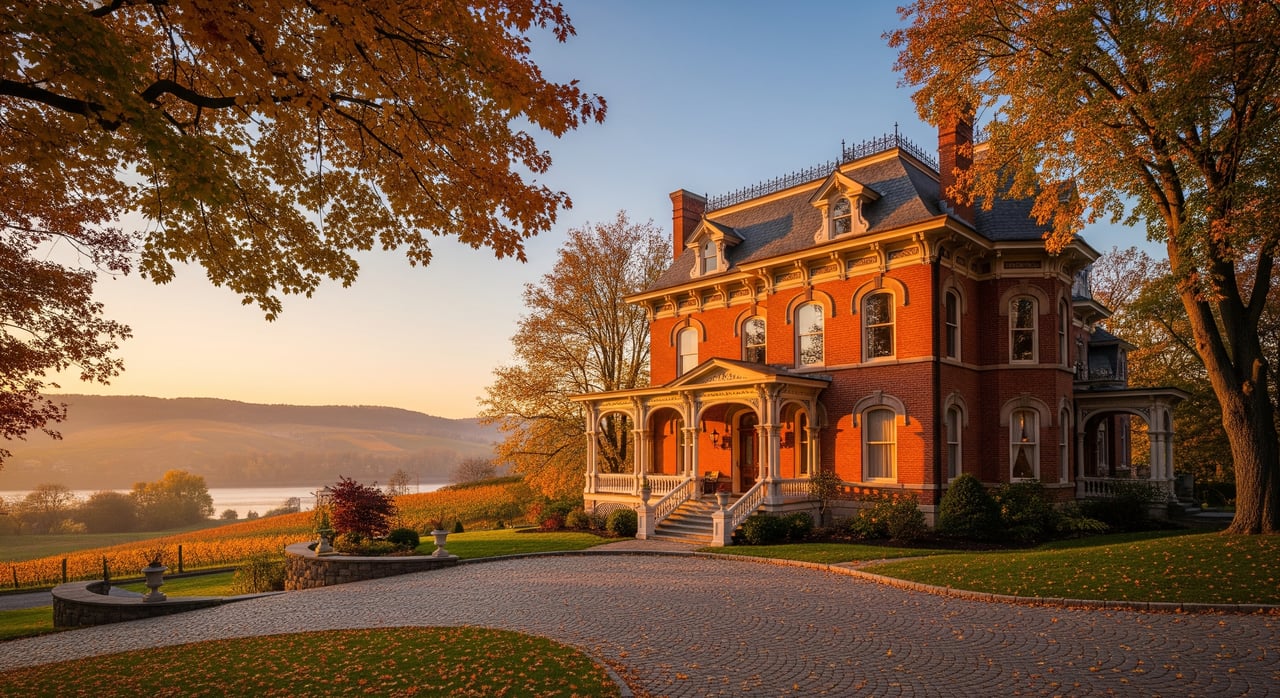
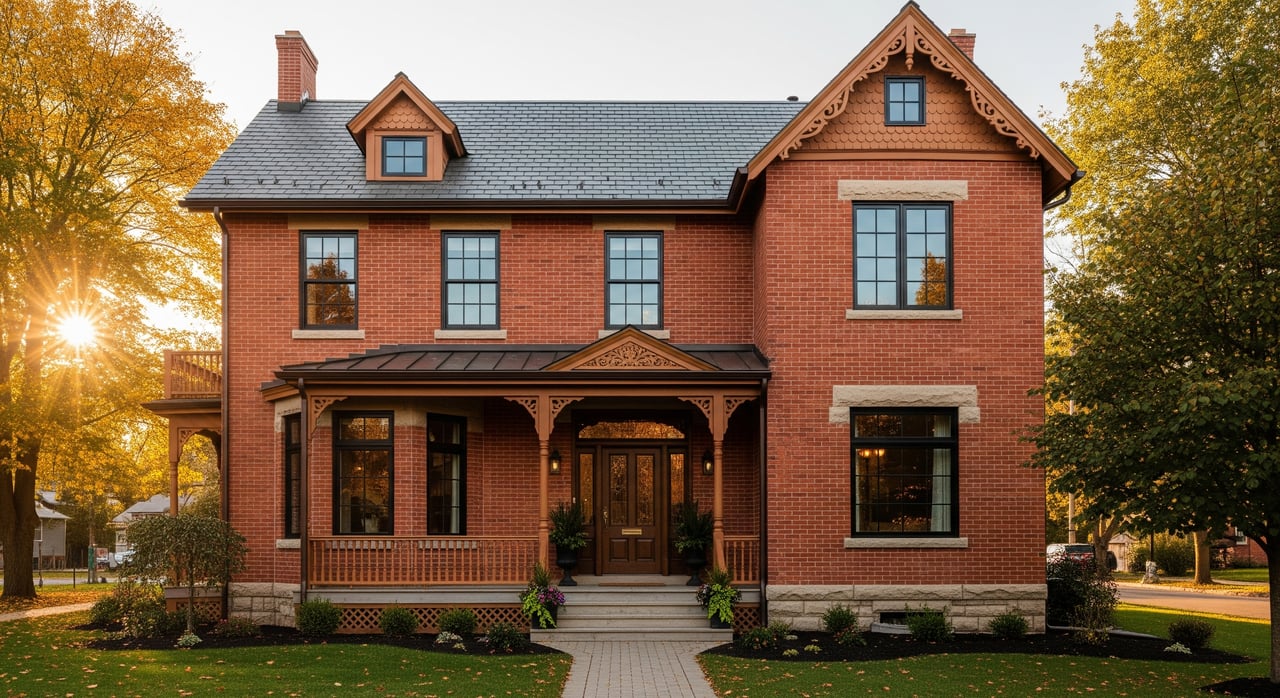
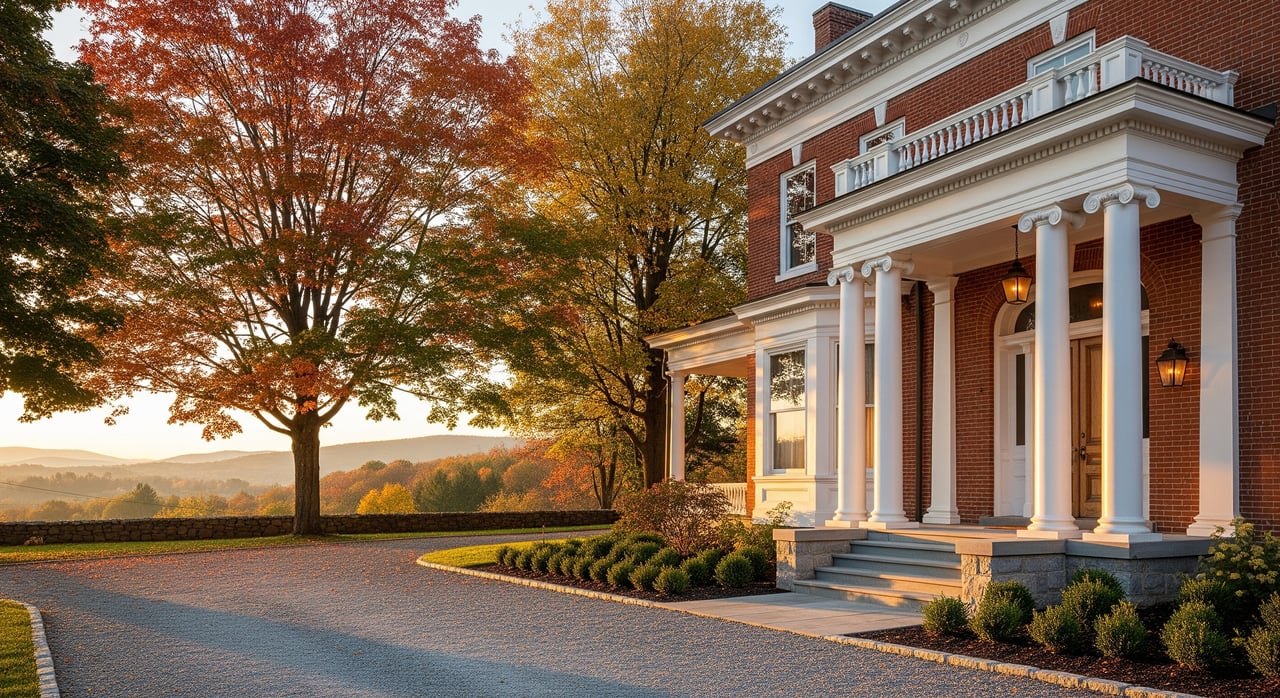
Historic homes here reflect popular American styles from the late 19th and early 20th centuries. You will often see Greek Revival, Italianate, Queen Anne and other Victorian, Colonial Revival, and early Craftsman or Bungalow homes. Exact styles vary block by block across the village.
Original features and why they matter
Many Painted Post homes include wood clapboard or shingle siding, stone or brick foundations, original double-hung wood windows, and lath-and-plaster interiors with original millwork. Roofs may be slate, metal, or later asphalt shingles. You may also find steam or hot-water radiator heat, cast-iron or galvanized plumbing, and in very old houses, knob-and-tube or cloth-insulated wiring.
These materials can be remarkably durable when maintained, and they are a big part of the home’s character and value. They also drive specific inspection needs and repair strategies, which is why a historic-aware team matters.
Typical issues to watch
Older homes are not money pits by default, but age and water are persistent enemies. Watch for:
- Moisture and drainage problems, including poor grading, clogged gutters, and wet basements.
- Foundation concerns, such as settling, cracked or deteriorated mortar, or failing footings in stone foundations.
- Roof issues, including failing flashing, broken slate, or multiple asphalt layers hiding deck damage.
- Wood rot and insect damage at porches, sills, eaves, and trim. Carpenter ants or other wood-boring insects can be present. Termites are less common in upstate New York, but you should still inspect.
- Out-of-date systems, like knob-and-tube wiring, galvanized or lead plumbing components, and inefficient boilers or furnaces.
- Hazardous materials typical of pre-1978 homes, including potential lead-based paint and asbestos in certain insulation, floor tiles, or boiler materials.
- Past alterations that compromised historic fabric, such as incompatible replacement windows or hard cement mortar on soft historic masonry.
Durability and cost notes
Slate roofs, wood siding, and masonry foundations can last for decades when cared for properly. The tradeoff is that repairs often require specialized labor and materials. Slate and custom millwork, for example, cost more than basic replacements, so you will want accurate estimates during due diligence.
Inspections and specialists to hire
Start with the right home inspector
Begin with a licensed home inspector who regularly evaluates older homes. Ask about their experience with balloon framing, plaster, masonry foundations, and older mechanical systems. A strong general inspection sets your roadmap for any specialists you bring in next.
Call in the right specialists
Based on age and initial findings, consider adding:
- Structural engineer with historic-building experience for sagging floors, major cracks, or unusual settlement.
- Masonry contractor for stone or brick foundation evaluation and repointing strategies.
- CSIA-certified chimney sweep and inspector to review flues, liners, and safety.
- Roofing contractor experienced with slate or metal.
- Preservation-minded carpenter for windows, siding, porches, and trim.
- Licensed electrician familiar with historic wiring to plan upgrades and code compliance.
- Plumber experienced with cast-iron and galvanized lines.
- Hazardous materials testing for lead paint and asbestos if suspect materials are present.
- Pest inspector to check for wood-destroying insects.
- Energy auditor to improve comfort and bills without harming historic fabric.
Key tests and what they tell you
Ask your team to focus on foundation moisture, roof flashing and decking, porch structure, chimney integrity, electrical service capacity, and the type and condition of plumbing. Have pre-1978 paint tested for lead and collect samples of any suspect insulation or flooring for lab testing. Flag any repairs that used incompatible materials, such as hard Portland cement mortar on older, softer masonry.
Making sense of results and costs
Safety, maintenance, or restoration
Sort findings into three buckets. Safety or code issues, such as unsafe wiring, severe water intrusion, or structural movement, come first. Routine maintenance items include paint, gutters, and minor rot. Restoration-level work involves preserving character, like window sash repair or decorative millwork replication.
Budget rules of thumb
Get phased estimates that separate immediate fixes from medium-term and longer-term projects. Many older-home buyers set aside 10 to 20 percent of the purchase price for initial repairs when there is deferred maintenance. Cosmetic-only projects cost less, while roof, foundation, mechanical replacements, or detailed restoration raise budgets quickly. Collect multiple bids from contractors who regularly work on historic homes.
Comfort and energy planning
Expect higher energy use if windows are single pane and insulation is minimal. You can improve comfort without erasing character by adding attic insulation, tuning air sealing, maintaining and weatherstripping original windows, and using high-quality storm windows. An energy auditor who understands historic buildings can guide a sensitive approach.
Financing, incentives, and insurance
Renovation-friendly mortgages
If your Painted Post home needs work, ask lenders about products that combine purchase and repairs in one loan:
- FHA 203(k) Rehabilitation Mortgage Insurance, available in Limited and Standard versions depending on scope.
- Fannie Mae HomeStyle Renovation, a conventional option that rolls improvements into one mortgage.
- VA renovation loans for eligible veterans.
Lenders usually require the home to be safe and habitable at closing, or they will escrow repairs to be completed by licensed contractors. Homes with structural, electrical, or water problems may need a renovation loan rather than a standard mortgage.
Tax credits and local programs
Federal rehabilitation tax credits, typically 20 percent, primarily apply to certified historic projects that are income-producing, like rentals or commercial properties. Owner-occupied primary residences usually do not qualify for the federal credit. New York State and local governments may offer incentives, façade grants, or low-interest rehab loans from time to time. Check with the state preservation office and Steuben County or village offices for current programs and rules.
Insurance for older homes
Older homes can have higher premiums. Insurers may require electrical updates, like removing active knob-and-tube, or modernizing heating systems. Talk with your agent about replacement-cost coverage and endorsements that consider costly features such as slate roofs or custom trim. If a property lies near a waterway or floodplain, review flood maps and discuss flood insurance options.
Permits and building codes
Substantial electrical, plumbing, structural, or addition work will need permits and inspections. Some jurisdictions allow historic-building code alternatives or performance-based solutions, but you must confirm with the local building department. Unpermitted work can complicate resale and insurance claims, so keep permits and final sign-offs organized.
A practical buyer checklist
Use this quick framework to move from interest to offer with confidence:
- Confirm historic status. Ask the village or town, county planning, state preservation office, and National Register listings about any designation or easements.
- Review records. Look up property tax history, past permits, and any recorded covenants. Ask the seller for maintenance logs, contractor receipts, and insurance claim history.
- Plan inspections. Include a general home inspection, plus at least lead testing and licensed electrician and plumber evaluations. Add a structural engineer if floors are sagging or masonry is cracking.
- Test for hazards. Arrange asbestos sampling if suspect materials appear. Request a pest inspection.
- Prioritize water management. Evaluate grading, gutters, downspouts, and basement conditions. Fixing water first protects everything else.
- Separate needs from wants. Identify immediate safety repairs, medium-term rehab, and optional restoration.
- Get phased estimates. Price out roof, foundation, mechanicals, windows, masonry, and porch work with historic-experienced contractors.
- Choose financing. Explore FHA 203(k), HomeStyle, or other renovation-friendly loans if needed, and ask lenders about escrowed repairs and timelines.
- Check incentives. Ask about any state or local grants, credits, or façade programs. Confirm eligibility rules and application steps.
- Budget a cushion. Set aside a contingency, often 10 to 20 percent of purchase price when deferred maintenance is present.
- Plan comfort upgrades. Work with an energy auditor to improve performance without harming historic fabric.
- Keep records tidy. Save reports, permits, invoices, and photos. Organized documentation helps insurance, maintenance, and future resale.
Resale and long-term value
Historic character can be a strong selling point in Painted Post and nearby Southern Tier communities. Buyers often gravitate toward original details when the home is well maintained and water is controlled. Highly idiosyncratic restorations that limit practical updates can shrink your buyer pool, so balance authenticity with function.
Also consider context. Proximity to everyday amenities, the condition of surrounding properties, and whether a broader preservation district is in place all influence long-term appeal. If you invest in sensitive repairs and keep moisture at bay, you position the home for sustainable enjoyment and future resale.
Work with a local guide
Buying a historic home is part inspection science, part design choice, and part budget planning. You do not have to navigate it alone. Our team works across the Southern Tier of New York and Northern Pennsylvania and understands how older homes, village permits, and renovation financing fit together in real life. If you are curious about a Painted Post listing or want a second set of eyes on your plan, connect with Cowanesque Lake Realty, LLC. We are here to help you buy with confidence.
FAQs
What makes a home “historic” in Painted Post?
- In the local context it usually means an older home from the 1800s or early 1900s, a contributor to a local historic district, or a property listed on the National Register. Confirm status with village or town offices and state or federal listings.
Do National Register listings restrict what I can change?
- National Register listing is honorary for private owners and does not automatically restrict changes. Local ordinances and preservation easements are what may require design review for exterior work.
Which inspections are most important for older homes?
- Start with a licensed inspector familiar with historic construction, then add specialists for structure, masonry, roofing, chimneys, electrical, plumbing, pests, and hazardous materials testing as needed.
How should I budget for repairs on a historic house?
- Many buyers set aside 10 to 20 percent of purchase price for initial repairs when there is deferred maintenance, plus phased estimates for roof, foundation, mechanicals, and restoration work.
Can I finance renovations with my mortgage?
- Yes. FHA 203(k), Fannie Mae HomeStyle Renovation, and some VA renovation options can bundle purchase and repairs into one loan, subject to lender requirements.
Are there tax credits for owner-occupied historic homes?
- Federal rehabilitation tax credits largely apply to income-producing properties. New York State and local programs may offer grants or credits periodically, so check current offerings with state and local offices.
Will insurance be more expensive for an older home?
- It can be. Insurers may require electrical or heating updates, and replacement-cost coverage for features like slate roofs or custom trim can increase premiums. Ask your agent about options.
What are the biggest risks with historic basements and foundations?
- Water and incompatible repairs. Address grading and drainage, keep gutters clear, and use mortar types appropriate for historic masonry to avoid damage.
How can I improve energy efficiency without losing character?
- Add attic insulation, air seal thoughtfully, maintain and weatherstrip original windows, and consider high-quality storm windows. Use an energy auditor who understands historic buildings.
Who decides if my exterior changes need approval?
- The local ordinance and the village or town review body decide, not the National Register. Confirm requirements with the Village of Painted Post or Town of Erwin before starting work.