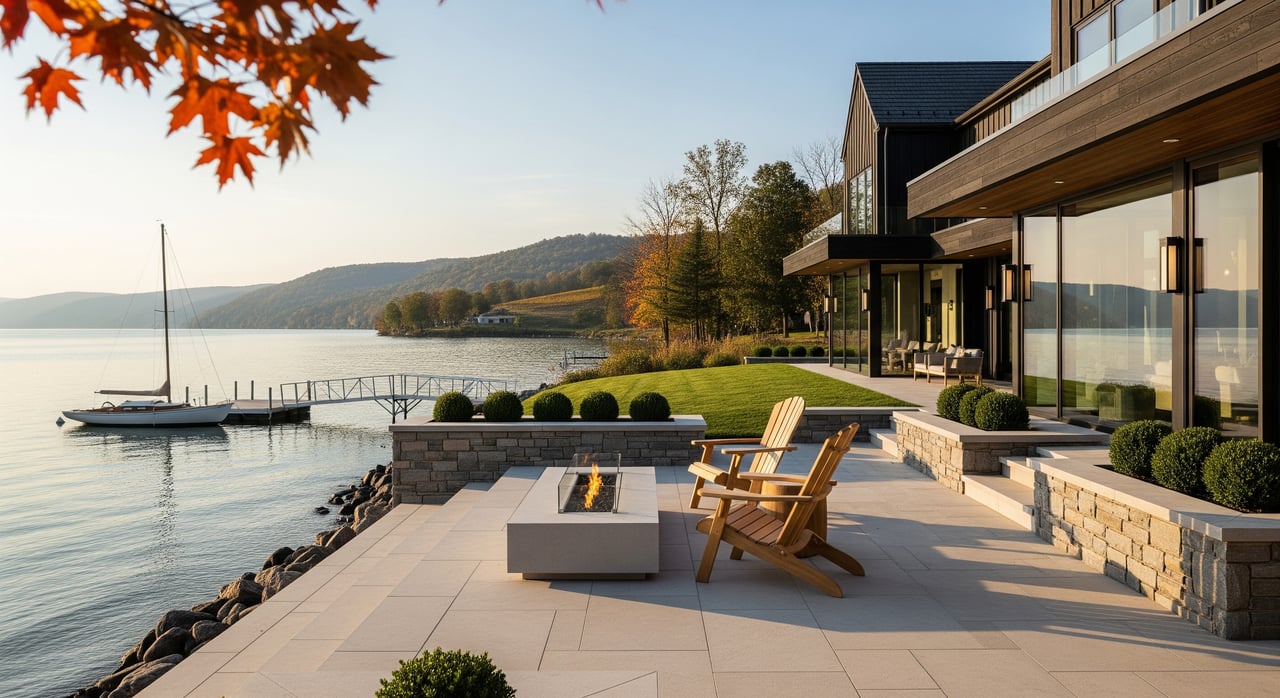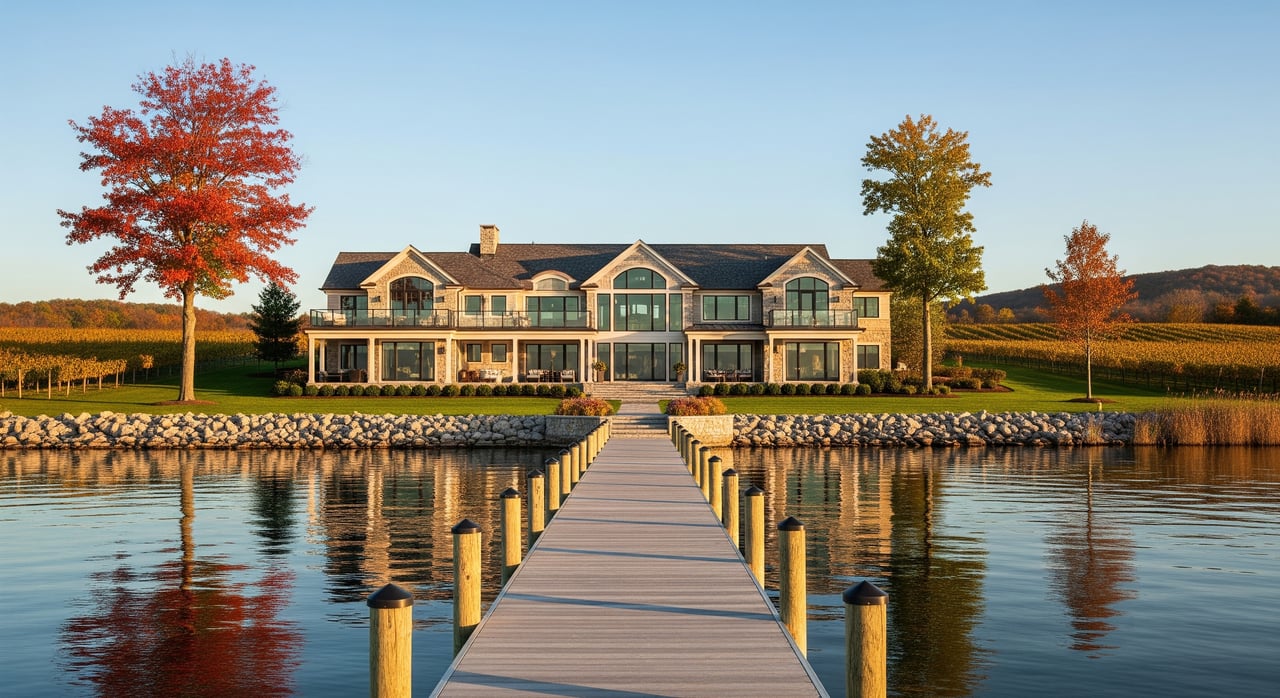
Coffee on a quiet dock. Sun on the water. If that picture pulls you toward Canandaigua Lake, you’re not alone. Buying lakefront here works differently than buying inland, and the details matter for your budget, timeline, and peace of mind. In this guide, you’ll learn the key steps, what changes between Canandaigua, Keuka, and Seneca, and how to write a strong offer without missing hidden risks. Let’s dive in.
Why Finger Lakes lakefront is different
Lakefront purchases include layers you won’t see inland: shoreline permits and structures, private wells and septic systems, riparian rights, flood and wind exposure, and seasonal factors like ice and water level swings. These can affect cost, timing, and even what you can do with the property.
On Canandaigua Lake, you’ll also see more local zoning oversight near the City of Canandaigua and higher development pressure. That means dock rules, setbacks, or seawall work may trigger reviews you need to plan for early.
Canandaigua vs. Keuka vs. Seneca
Canandaigua Lake at a glance
You’re close to the City of Canandaigua and regional services. Shoreline is more developed with a mix of small beaches, bluffs, seawalls, and public parks. Expect clearer local processes for permits, plus community norms shaped by watershed and lake associations.
Keuka Lake
Keuka’s Y‑shape creates long stretches of shoreline and many narrow parcels with strong water exposure. Some properties sit on private roads and have shared drives. Shoreline stabilization and dock rules vary by town, so confirm what applies to the parcel you’re considering.
Seneca Lake
Seneca is larger and deeper, with a mix of rural shore and areas with big marinas. It can see different wind and storm exposure. Public launches and more commercial activity in some areas influence daily use patterns and traffic on the water.
What matters more than the lake name
Exposure to prevailing winds, the slope down to the water, and local development patterns often affect insurance, erosion risk, and livability more than which lake you pick. Walk the site, look at the shoreline form, and note nearby public access and marinas.
Shoreline rights and access
Riparian rights and boundaries
In New York, inland lakefront owners typically hold riparian rights, which include reasonable use of the water, access, and docking. Ownership of the lakebed and the exact boundary at the water’s edge can depend on state law and history. For clarity, review your deed language and consider a survey that shows the shoreline and any structures. For general background, see the New York State Department of State’s guidance on water and land boundaries at the Department of State website.
Deeded access, associations, and easements
Many Finger Lakes homes use shared drives, private roads, or community access parcels. Confirm who maintains the road, winter plowing, and how costs are split. If a dock or mooring is shared, document whether it is deeded, an easement, or simply informal practice.
Docks, boathouses, and seawalls
Winter ice is a real force in the Finger Lakes. Seasonal docks and removable hardware are common. Permanent boathouses are often restricted or tightly regulated. Most shoreline work, including new docks, dredging, riprap, or seawall replacement, may require permits. Start with the NYSDEC Protection of Waters and Freshwater Wetlands programs to understand permit triggers and timing.
Public access and nearby uses
Public parks, boat launches, and marinas influence privacy, parking, and boating patterns. Map out nearby access points to understand how busy your shoreline might feel in peak season.
Environmental and water quality
Harmful algal blooms (HABs)
HABs occur seasonally in parts of the Finger Lakes. They can affect swimming and the look of the water. Check state and local monitoring updates; the New York State Department of Environmental Conservation shares HAB information at dec.ny.gov.
Invasive species
Species like zebra mussels and Eurasian watermilfoil are established in the region. They can change shoreline conditions and affect docking or water intake systems.
Wetlands and buffers
Some lakefront parcels include mapped freshwater wetlands or riparian buffers. These areas can limit where and how you build. Early identification helps you avoid redesigns and delays.
Wells and water quality
Lakefront wells can be more vulnerable to surface water influence. Plan well testing for bacteria and nitrates, and consider testing for minerals if you plan to drink the water.
Permits and who regulates what
- New York State Department of Environmental Conservation: reviews in‑water work like docks, dredging, riprap, and wetlands impacts under its Protection of Waters and Freshwater Wetlands programs. Start at the NYSDEC site.
- Town and county planning and zoning: manage setbacks, lot coverage, and accessory structures like stairs and driveways.
- County health department: oversees onsite wastewater systems and related records. You can find county contacts on the Ontario County government site.
- U.S. Army Corps of Engineers: may have jurisdiction for certain activities in navigable waters and wetlands.
Permits can take weeks or months. Build time into your offer contingencies and closing plan, especially for major shoreline work and any in‑water construction windows.
Inspections and due diligence to schedule
Shoreline and structural checks
- Shoreline stability or bluff assessment for erosion and undercutting. Steep sites may warrant a geotechnical review.
- Seawall, riprap, and dock inspection for damage, fasteners, and pilings.
- Dock electrical and shore power safety review.
Home, well, and septic
- Full home inspection with a focus on basement moisture and foundation hydrostatic pressure.
- Well water testing for bacteria and nitrates; add iron or manganese if you’ll drink the water.
- Septic inspection for age, capacity, and recent pumping or repair records.
Survey, title, and access
- Boundary survey showing the mean high‑water line and any structures extending into the water.
- Title review for easements, reserved riparian rights, and association covenants about dock use or shared access.
Flood risk
- Check FEMA flood maps to see if a lender will require flood insurance.
- If the home is near a mapped zone, request or order an Elevation Certificate to help with insurance rating.
Insurance and financing
Flood insurance is required by lenders only if FEMA maps place the structure in a Special Flood Hazard Area. That said, water proximity carries risk even outside mapped zones, so it is smart to evaluate coverage options early. The National Flood Insurance Program and private insurers both operate in New York.
Standard homeowners policies may exclude flood, shoreline erosion, or earth movement. Ice damage to docks or boathouses may or may not be covered. Review policy exclusions and wind‑storm deductibles closely.
Appraisals for lakefronts can be tricky due to limited comparable sales and unique improvements like docks or boathouses. Expect careful lender review and be ready for appraisal contingencies.
Offer strategy and timing
- Add lake‑specific contingencies: shoreline condition, permits for docks and seawalls, survey confirming boundaries and encroachments, septic and well inspections, and verification of dock or mooring rights.
- Extend contingency periods to allow county health checks and permit record requests.
- Use unpermitted or failing shoreline structures as negotiation leverage for credits or required repairs.
- Consider seasonality. Summer helps you evaluate swimming and boat traffic. Winter reveals how ice and storms treat the shoreline.
Hidden costs to budget for
- Permit and professional fees for shoreline work.
- Seasonal dock removal and reinstallation.
- Seawall or riprap repair or replacement.
- Septic system upgrades or replacement if systems are outdated.
- Flood and homeowners insurance premiums.
Pre‑offer checklist
- Review the listing for clear language on docks, shoreline, and access.
- Ask the seller for permits on docks, seawalls, and prior shoreline work.
- Request septic pumping and inspection records, recent surveys, and well test results.
- Add contingencies for survey, septic and well, shoreline and dock inspection, permit confirmation, and title review for easements.
- Order a full home inspection plus shoreline/structural inspection, septic inspection, well testing, and a boundary survey.
- Contact the town or city planning office, Ontario County Public Health, and the NYSDEC regional office to confirm permit history and rules.
- Get flood and homeowners insurance quotes early. Ask for an Elevation Certificate if available.
Local resources
- NYS Department of Environmental Conservation: permits, wetlands, and HAB updates at dec.ny.gov.
- FEMA: flood zones, maps, and policy basics at fema.gov.
- NYS Department of State: riparian rights and shoreline policy overview at dos.ny.gov.
- Ontario County Government: planning, public health, and records at ontariocountyny.gov.
- Finger Lakes Land Trust: regional conservation and public access resources at fingerlakeslandtrust.org.
Ready to explore Canandaigua lakefront?
Buying lakefront should feel exciting, not overwhelming. If you want a smart plan for permits, inspections, insurance, and offer strategy, our team is here to guide you step by step. From virtual showings to on‑site walk‑throughs and local due diligence, we help you buy with confidence.
Let’s talk through your wish list and timing. Connect with Cowanesque Lake Realty to Work With Us.
FAQs
What makes buying on Canandaigua Lake different from inland homes?
- You need to plan for shoreline permits, dock and seawall status, private well and septic checks, flood risk, and seasonal factors like ice and water level changes.
Do New York lakefront owners control the land to the waterline?
- Often your boundary is tied to a legal water mark, and the lakebed may involve state interests. Confirm with a deed, survey, and a title review for riparian rights.
Can you build or keep a dock on Canandaigua Lake?
- Many docks are allowed but design and permits matter. Check local zoning and start with the NYSDEC permit programs for in‑water work rules and timing.
Is flood insurance required for Finger Lakes properties?
- Lenders require it only if FEMA maps place the structure in a Special Flood Hazard Area. You can review your risk on FEMA’s flood resources.
What inspections should you order for a lakefront home?
- A full home inspection plus shoreline/bluff and dock structural checks, septic inspection, well testing, a boundary survey, and a title review for easements and dock rights.
How do harmful algal blooms affect owning on Canandaigua Lake?
- HABs can impact swimming and water clarity seasonally. Review monitoring updates through the NYSDEC HAB information and local lake associations.